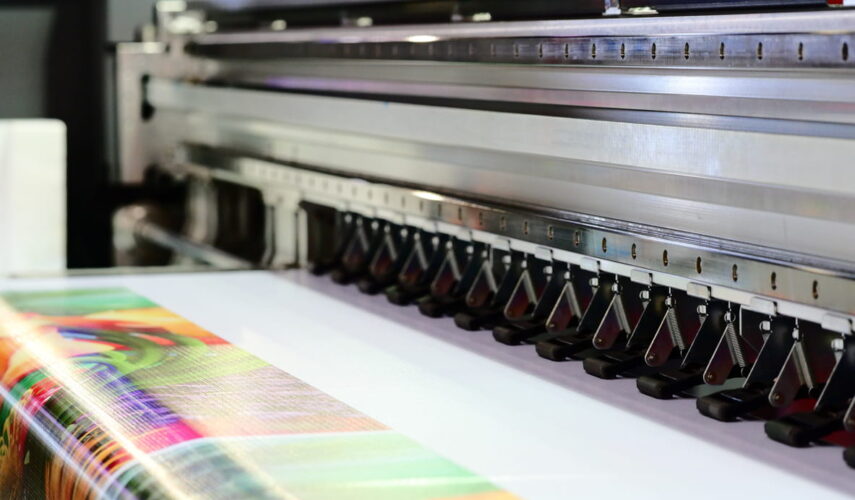
If you are an artist looking to reproduce your work, you may have come across the term giclée printing. Giclée is a high-quality printing method designed to reproduce artwork and photography with excellent colour accuracy, detail and consistency. Unlike basic printing methods, it uses specialist inkjet printers, high-quality inks and carefully selected papers to create prints that closely match the original artwork.
At Yorks Framing, we work with artists and photographers who want their work reproduced professionally, whether they need a single print or multiple copies to sell to customers. Creating high-quality reproductions can be an excellent way of generating additional income from an original piece while allowing more people to enjoy your work.
How Does Giclée Differ From Other Printing Options?
One of the biggest differences between giclée printing and standard printing is the quality of the finished image. Giclée printers use a wider range of inks and produce extremely fine droplets, helping to recreate subtle colours, gradients and small details that may otherwise be lost. This makes the process particularly suitable for paintings, illustrations, digital artwork and fine art photography.
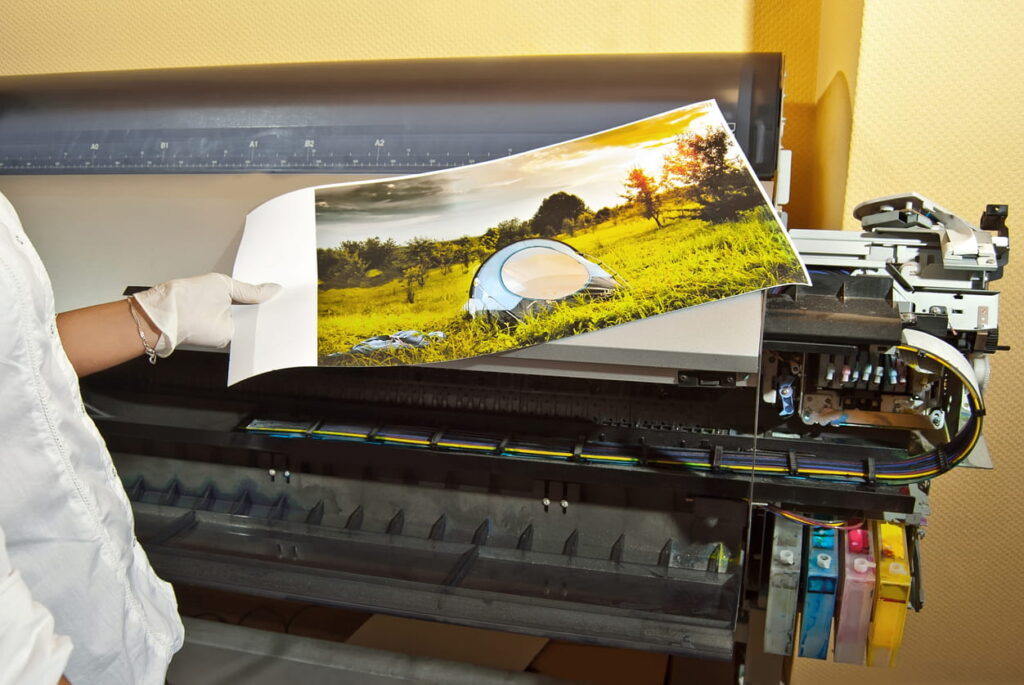
The paper or material being printed onto is also important. Fine art papers are designed to give artwork a professional appearance and can offer different textures and finishes depending on the look you want to achieve. Standard photo papers such as lustre, matt silk and gloss can also be suitable depending on the image and how the finished print will be displayed.
Some of the main advantages of giclée printing include:
- Excellent colour reproduction and fine detail
- Suitable for artwork, illustrations and photography
- A choice of fine art and photographic papers
- Professional results suitable for selling
- The ability to produce prints in a range of sizes
- Consistent results when producing additional copies
- High-quality inks designed for long-lasting prints
For artists, this means you do not have to sell an original piece every time somebody wants to own your work. A professionally produced print can provide a more affordable alternative for customers while allowing you to retain the original artwork.
At Yorks Framing, we use professional Epson printing equipment that is fully calibrated to help us produce accurate, high-quality reproductions. We can also help with colour balancing, editing, mounting and framing, giving artists the option of having everything completed in one place.
Can Giclée Prints Look Like the Original Artwork?
A good-quality reproduction should capture as much of the character of the original artwork as possible. Colour, contrast, fine lines and subtle changes in tone all contribute to how a piece looks, which is why professional equipment and careful preparation are so important.
The finished result will also depend on the surface you choose. A textured fine art paper can complement paintings and illustrations, while smoother papers may work particularly well for highly detailed artwork or photography. Choosing the right material helps ensure the reproduction suits both the artwork and the way you intend to sell or display it.
Is Giclée Printing Suitable for Selling Your Artwork?
For many artists, giclée printing provides an opportunity to create a new source of income without continually producing new original pieces. One original painting, drawing or illustration can potentially be reproduced many times, allowing you to offer customers different sizes and price points.
You might choose to sell open-edition prints, where there is no fixed number available, or create a limited edition with a set quantity. Prints can also be sold individually, mounted or professionally framed, allowing you to provide different options depending on what your customers are looking for.
Does the Quality of the Original File Matter?
The quality of the image or scan used for printing plays a major part in the finished result. Ideally, artwork should be captured at a high resolution so that details remain clear when the image is enlarged. A resolution of around 300dpi at the intended print size is generally a good starting point for high-quality printing.
That does not necessarily mean a lower-resolution image cannot be used. Depending on the artwork, size and intended result, it may still be possible to produce a good print. Images can sometimes also be adjusted, colour balanced or edited before printing to improve the finished reproduction.
What Does This Mean For Artists?
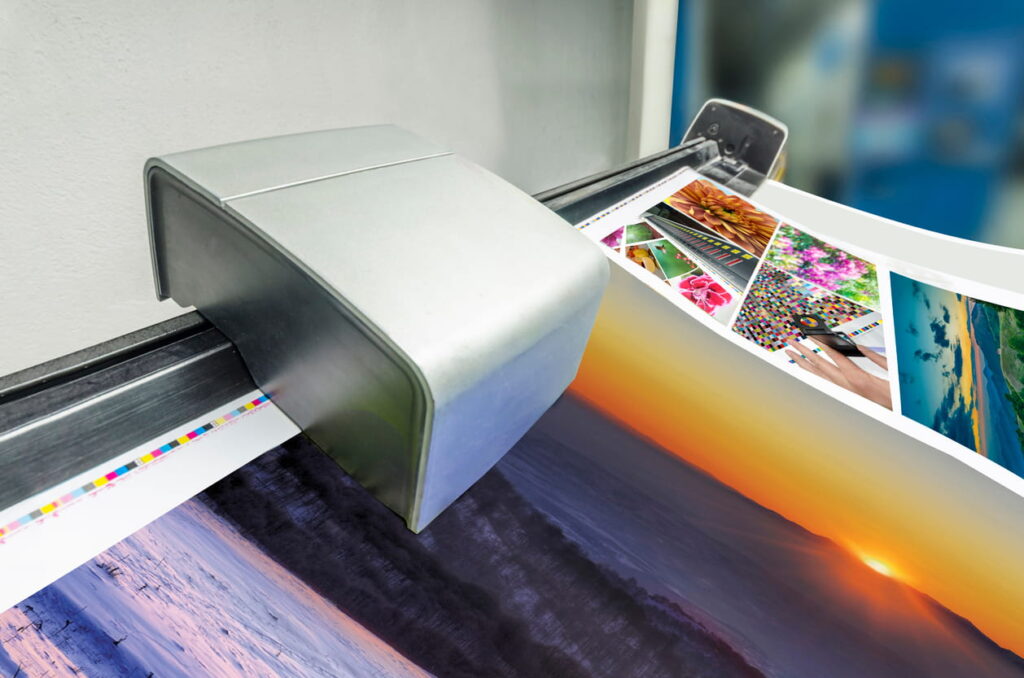
Giclée printing gives artists a practical way to make more from their work. Instead of relying entirely on selling original pieces, you can build a collection of professional reproductions that can be sold in person, online, at exhibitions or through galleries.
For example, you could use giclée printing to:
- Create copies of popular original artwork
- Offer customers several print sizes
- Produce limited-edition art prints
- Sell mounted or framed versions of your work
- Create affordable alternatives to original pieces
- Reproduce artwork for exhibitions, markets or online sales
- Build a consistent range of prints from your portfolio
The right printing method ultimately depends on your artwork and what you want to achieve. However, if colour accuracy, detail and professional presentation are important, giclée printing can be a worthwhile investment that helps your work reach a much wider audience.
Contact Yorks Framing Today For Quality Art & Photographic Prints
If you would like to turn your artwork or photography into professional-quality prints, speak to Yorks Framing. We can help with giclée and photographic printing, art reproduction, colour balancing, mounting and framing, giving you a complete service from the original image through to the finished piece. Get in touch with our team to discuss your artwork, required sizes and the best printing option for you. We also provide various framing options for your finish piece – contact us now to discuss bespoke framing and canvas options.